
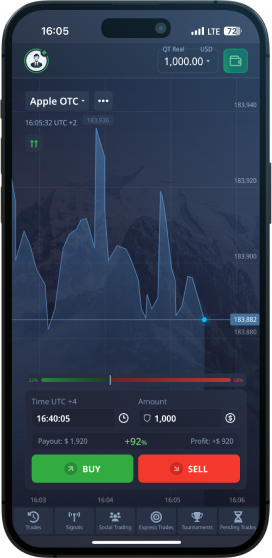
Is Pocket Option Legal in India? Understanding the Regulations and Risks
The world of online trading has expanded significantly in recent years, attracting traders from various backgrounds and countries. One platform that has risen to popularity is Pocket Option. However, many potential users in India often wonder, pocket option legal in india pocket option legal in india. In this article, we will delve into the intricacies of Pocket Option’s legal status in India, examining regulations, user experiences, and potential risks involved.
Understanding Pocket Option
Pocket Option is a digital trading platform that allows users to engage in binary options trading. This platform offers various features, including a user-friendly interface, demo accounts for practice, and a diverse range of assets, from currency pairs to cryptocurrencies. The appeal of Pocket Option lies in its high returns on investments and accessible trading conditions, enticing many traders.
Legal Landscape for Online Trading in India
The legal status of online trading in India is complex. The primary regulatory body overseeing financial markets is the Securities and Exchange Board of India (SEBI). However, the regulations around binary options are somewhat ambiguous. Binary options fall under the category of derivatives trading, which is regulated differently than other forms of investment in India.
SEBI’s Stance on Binary Options
In 2018, SEBI issued a notification clarifying that binary options are not permitted for Indian residents. The rationale behind this decision was to protect investors from scams and high-risk financial products that could lead to significant losses. Consequently, platforms that offer binary options trading may operate in a legal grey area if they are not registered with SEBI.
The Risks of Trading on Pocket Option
While Pocket Option may attract traders with lucrative offers, several risks are involved in using the platform, especially for Indian traders.
Lack of Regulation
As mentioned, Pocket Option is not regulated by SEBI. This lack of regulation could expose Indian traders to higher risks, including fraud and a lack of recourse in case of disputes. Without a regulatory body overseeing transactions, traders have limited protection against potential malpractice by the platform.
High Volatility and Risk of Loss
Binary options are inherently risky due to their all-or-nothing payout structure. Traders can potentially lose all their invested capital in a short amount of time. The high volatility of the assets traded on Pocket Option further exacerbates this risk. New traders, in particular, may find themselves making impulsive decisions that lead to substantial losses.
Sophisticated Scams
The online trading world can sometimes be rife with scams. It’s crucial for individuals engaging with platforms like Pocket Option to conduct thorough research. There have been cases where traders have encountered issues with withdrawals or faced aggressive marketing tactics designed to maximize losses.
Conclusion: Is Pocket Option Legal for Indian Traders?
The question of whether Pocket Option is legal in India is complicated. While the platform operates and can be accessed by Indian residents, traders must acknowledge the potential legal implications and risks involved. Using such a platform comes with uncertainties, particularly due to the lack of regulatory oversight and the inherent risks of binary options trading.
For those considering trading on Pocket Option, it’s advisable to stay informed about the legal landscape and best practices in online trading. Understand the risks, educate yourself on trading strategies, and consider alternatives that comply with Indian regulations for safer investing.
Final Thoughts
In summary, while Pocket Option presents opportunities for trading, the legal status of binary options in India remains murky. Aspiring traders should approach with caution, ensuring they make well-informed decisions and prioritize security. Ultimately, staying aware of the risks and maintaining a disciplined trading strategy could lead to a more successful trading experience.